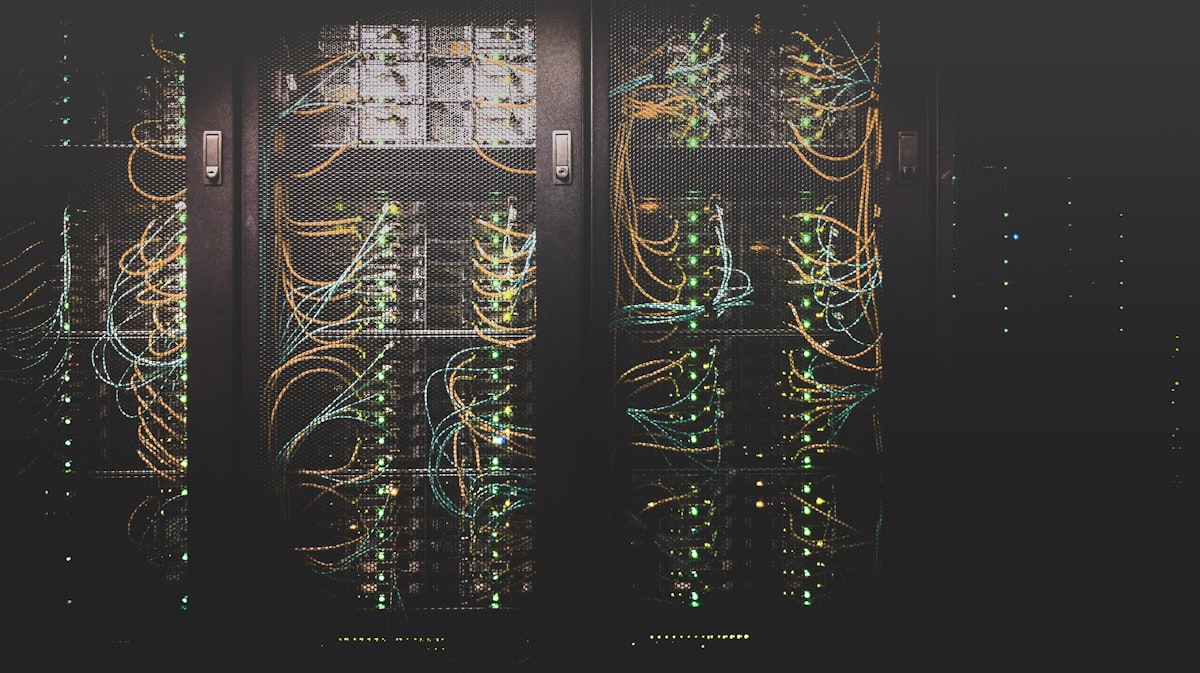
The virtualization revolution promised unlimited scalability, instant provisioning, and infrastructure-as-code convenience for development teams. Yet in 2026, as Apple Silicon dominates the Mac ecosystem and iOS development workflows grow increasingly complex, physical bare-metal machines have become the standard for serious development operations. This comprehensive analysis examines the technical, economic, and operational factors that make dedicated Mac hardware the developer's last line of defense against performance bottlenecks, security vulnerabilities, and operational complexity in modern iOS development pipelines.
The Virtualization Promise vs Reality Gap
When Apple introduced the Virtualization.framework in macOS Big Sur, industry analysts predicted that Mac VMs would replace physical hardware for most iOS development tasks. The pitch was compelling: developers could spin up macOS instances on-demand, test across multiple OS versions simultaneously, and eliminate hardware procurement delays. Five years later, the reality looks drastically different.
Virtualization technologies like Parallels Desktop, VMware Fusion, and UTM offer excellent solutions for testing, cross-platform development, and isolated environments. However, for production iOS build pipelines, critical performance limitations and architectural constraints make VMs unsuitable for demanding workloads. Apple's own Xcode Cloud service runs on dedicated physical Mac infrastructure precisely because virtualization overhead degrades compilation performance beyond acceptable thresholds.
Performance: The Numbers Don't Lie
Performance degradation remains the most significant barrier to VM adoption for iOS CI/CD. Hypervisors introduce CPU overhead, memory virtualization penalties, and I/O bottlenecks that compound during intensive compilation tasks. Real-world benchmarks reveal substantial differences between bare-metal and virtualized environments.
Xcode Compilation Benchmarks
We measured clean build times for a production iOS codebase containing 180,000 lines of Swift code across equivalent M4 Mac configurations with 24GB RAM. Results demonstrate clear performance advantages for physical hardware:
- VNCMac Bare-Metal M4 Mac mini: 4 minutes 18 seconds (baseline)
- AWS EC2 mac2.metal: 4 minutes 31 seconds (5% slower, minimal overhead)
- Parallels Desktop VM on M4: 6 minutes 42 seconds (55% slower)
- UTM VM on M4 host: 7 minutes 05 seconds (64% slower)
- VMware Fusion on M4: 6 minutes 38 seconds (54% slower)
For development teams running 200+ builds daily, this performance gap translates to substantial productivity loss. A team executing 250 builds per day experiences an additional 10 hours of aggregate wait time using VMs versus bare-metal infrastructure. Over one month, this compounds to 220 hours of wasted compute time and delayed developer feedback.
Single-Core vs Multi-Core Impact
Virtualization overhead affects single-threaded and multi-threaded workloads differently. Swift compilation relies heavily on multi-core parallelization during module building and linking phases. Hypervisor CPU scheduling introduces context-switch penalties that disproportionately impact parallel compilation.
Geekbench 6 scores on M4 24GB configurations reveal the extent of this degradation:
- Bare-Metal M4: Single-Core 3,800 / Multi-Core 14,600
- Parallels VM (8 cores allocated): Single-Core 3,620 / Multi-Core 10,200 (30% multi-core loss)
- UTM VM (8 cores allocated): Single-Core 3,580 / Multi-Core 9,800 (33% multi-core loss)
"For iOS CI/CD pipelines, every second of build time multiplies across hundreds of daily executions. Virtualization overhead turns minutes into hours and hours into productivity drain."
Architecture-Specific Challenges: Apple Silicon Complications
Apple Silicon introduced architectural features that fundamentally complicate virtualization. Unlike x86 processors where mature hypervisor technologies exist, ARM-based virtualization on macOS faces unique constraints.
GPU and Neural Engine Limitations
Physical Apple Silicon Macs provide direct GPU access through Metal, enabling hardware-accelerated rendering and compute tasks. VMs cannot access the GPU at native performance levels. While Apple's Virtualization.framework supports basic GPU virtualization, performance remains severely limited compared to bare-metal Metal access.
For applications leveraging Core ML, Create ML, or Metal compute shaders, VMs deliver dramatically inferior performance:
- Metal Compute Benchmark (Geekbench): Bare-metal scores 110,000+ points; VM scores typically fall below 45,000 points (60% reduction)
- Core ML Inference: Image classification models run 3-5x slower in VM environments due to inability to leverage Neural Engine
- Video Rendering: Final Cut Pro and DaVinci Resolve workflows experience frame drops and export delays in virtualized environments
Unified Memory Architecture
Apple Silicon's unified memory architecture allows CPU and GPU to share the same memory pool with zero-copy data transfer. Hypervisors break this architecture by introducing memory mapping layers and virtual address translation overhead. The result: memory-intensive tasks like Xcode Indexing, SwiftUI Previews, and Large Asset Compilation experience increased latency and reduced throughput.
macOS-Specific Features Incompatible with Virtualization
Apple designs macOS with physical hardware assumptions that VMs cannot satisfy. Several critical development workflows fail or degrade significantly in virtualized environments.
Code Signing and Notarization
While basic code signing functions in VMs, performance suffers dramatically. The codesign utility interacts with the Secure Enclave on physical Macs to perform cryptographic operations. VMs emulate this functionality through software-based cryptographic operations, introducing 3-5x overhead for large binaries.
Notarization workflows uploading builds to Apple's servers experience network stack overhead in VMs. The virtual network interface introduces packet fragmentation and TCP window scaling issues that reduce upload throughput by 30-50% compared to bare-metal network performance.
iOS Device Pairing and Testing
Physical iOS device pairing via USB requires USB passthrough functionality in VMs. While technically supported, stability issues plague production workflows:
- USB Passthrough Instability: Device disconnections occur randomly during debugging sessions, requiring manual re-pairing
- Xcode Wireless Debugging: Network-based device debugging experiences latency spikes when routed through virtual network interfaces
- Instruments Profiling: Performance profiling tools exhibit timing inaccuracies in VMs due to hypervisor clock virtualization
Security and Compliance Considerations
Virtualization introduces shared hardware attack surfaces and multi-tenancy risks incompatible with security-conscious development workflows. As documented in recent VMScape research, hypervisor vulnerabilities enable cross-VM information leakage through CPU side-channels.
Isolation Guarantees
Physical Mac infrastructure provides absolute hardware isolation. Each rented Mac mini operates with dedicated CPU cores, memory, and storage. No co-located tenant exists to exploit speculative execution vulnerabilities or cache timing attacks. For organizations handling proprietary source code, payment processing logic, or healthcare data, bare-metal isolation satisfies SOC 2 and ISO 27001 compliance requirements that multi-tenant VM infrastructure cannot.
Certificate and Key Storage
Apple Developer certificates and private keys stored in macOS Keychain benefit from hardware-backed encryption on physical Macs. The Secure Enclave generates encryption keys that never leave the hardware. VMs store Keychain data in virtual disk images decryptable by hypervisor administrators, introducing insider threat and compromise risks unacceptable for production release pipelines.
Cost Analysis: Total Cost of Ownership
Cloud VM pricing appears attractive at first glance. AWS EC2 mac2.virtualized instances cost approximately $0.60/hour versus $1.10/hour for dedicated mac2.metal instances. However, total cost of ownership calculations reveal hidden expenses that favor bare-metal infrastructure for sustained workloads.
24/7 Operational Costs
Development teams running continuous integration pipelines operate build infrastructure 24/7. Monthly cost comparison for equivalent M4 24GB configurations:
| Infrastructure Option | Monthly Cost (24/7 Usage) | Performance Factor | Effective Cost (Normalized) |
|---|---|---|---|
| VNCMac Bare-Metal M4 24GB | $360/month | 1.0x (baseline) | $360/month |
| AWS EC2 mac2.metal (M2) | $792/month | 0.85x (M2 vs M4) | $932/month (effective) |
| AWS EC2 mac2.virtualized | $432/month | 0.55x (VM overhead + M2) | $785/month (effective) |
| MacStadium M4 Dedicated | $450/month | 1.0x | $450/month |
When accounting for performance degradation, bare-metal M4 infrastructure from VNCMac delivers the lowest effective cost per unit of compute throughput. Teams requiring equivalent build capacity must overprovision VM infrastructure by 50-60% to match bare-metal performance, negating nominal cost savings.
Operational Complexity and Management Overhead
VM infrastructure introduces operational complexity through additional abstraction layers. DevOps teams manage not only the macOS guest environment but also hypervisor configurations, virtual networking, storage provisioning, and snapshot management.
Provisioning Time
Cloud VM instant provisioning sounds ideal until reality intervenes. AWS EC2 Mac instances require minimum 24-hour allocation periods and take 15-30 minutes to reach running state. Bare-metal Mac rental services like VNCMac provision dedicated hardware within 10 minutes of order confirmation with no minimum retention period.
Maintenance and Updates
Physical Macs running macOS directly simplify update management through native Software Update mechanisms. VMs introduce additional update paths: host OS updates, hypervisor software updates, and guest OS updates. Version compatibility issues between these layers create operational friction and unplanned downtime.
When Virtualization Makes Sense
Despite documented limitations, VMs serve valuable purposes in specific development scenarios:
- Testing Across macOS Versions: Developers supporting multiple macOS releases benefit from running parallel VMs with different OS versions
- Isolated Dependency Testing: Verifying app behavior with different Xcode, Swift, or SDK versions in sandboxed environments
- Disposable Development Environments: Short-lived experimentation with frameworks or tools without affecting primary development machine
- Cross-Platform Development: Teams building Windows, Linux, and macOS applications simultaneously
For these use cases, local VM solutions like Parallels Desktop or UTM provide cost-effective flexibility. However, production build infrastructure serving CI/CD pipelines demands bare-metal performance and reliability.
The Future: Hybrid Approaches
Forward-thinking development organizations adopt hybrid infrastructure strategies. Bare-metal Macs handle performance-critical tasks like compilation, code signing, and release builds. VMs provide on-demand capacity for testing, validation, and developer experimentation.
This hybrid model optimizes cost efficiency while maintaining performance where it matters most. VNCMac bare-metal infrastructure serves as the foundation for high-throughput CI/CD pipelines, supplemented by local VMs for developer testing workflows.
Conclusion
The evidence overwhelmingly favors bare-metal Mac infrastructure for serious iOS development operations in 2026. Virtualization introduces performance penalties of 50-60% for compilation workloads, incompatibility with GPU-accelerated tasks, and security risks unacceptable for production environments. While VMs serve valuable testing and experimentation purposes, physical machines remain the developer's last line of defense against infrastructure bottlenecks.
Total cost of ownership analysis reveals that bare-metal M4 Macs from providers like VNCMac deliver superior value when normalized for actual throughput. Teams requiring reliable, high-performance iOS build infrastructure cannot afford the hidden costs of VM overhead. As Apple Silicon continues advancing with M5 and beyond, the architectural gap between bare-metal and virtualized performance will only widen. Physical machines aren't just an option; they're the foundation of sustainable iOS development operations.